Electric Forklift Energy Prediction from Heterogeneous CAN-Bus Data
Toyota Material Handling Europe · Mjölby, Sweden
Built a scalable, end-to-end pipeline that transforms raw multi-source sensor streams into structured ML-ready data — enabling accurate energy consumption forecasting for electric forklifts where no efficient unified method existed before.
R² 0.969
Multi-Task DNN (physics-informed)
R² 0.986
Hybrid CNN–LSTM energy model
41 ch.
CAN-bus · 1–500 Hz sync
>0.9998
Rand Index · phase detection
The Problem
Electric forklifts produce large, heterogeneous time-series data — current, voltage, speed — at different sampling rates from multiple acquisition systems. Without consistent alignment and phase identification, energy modeling fails at scale.
My Contribution
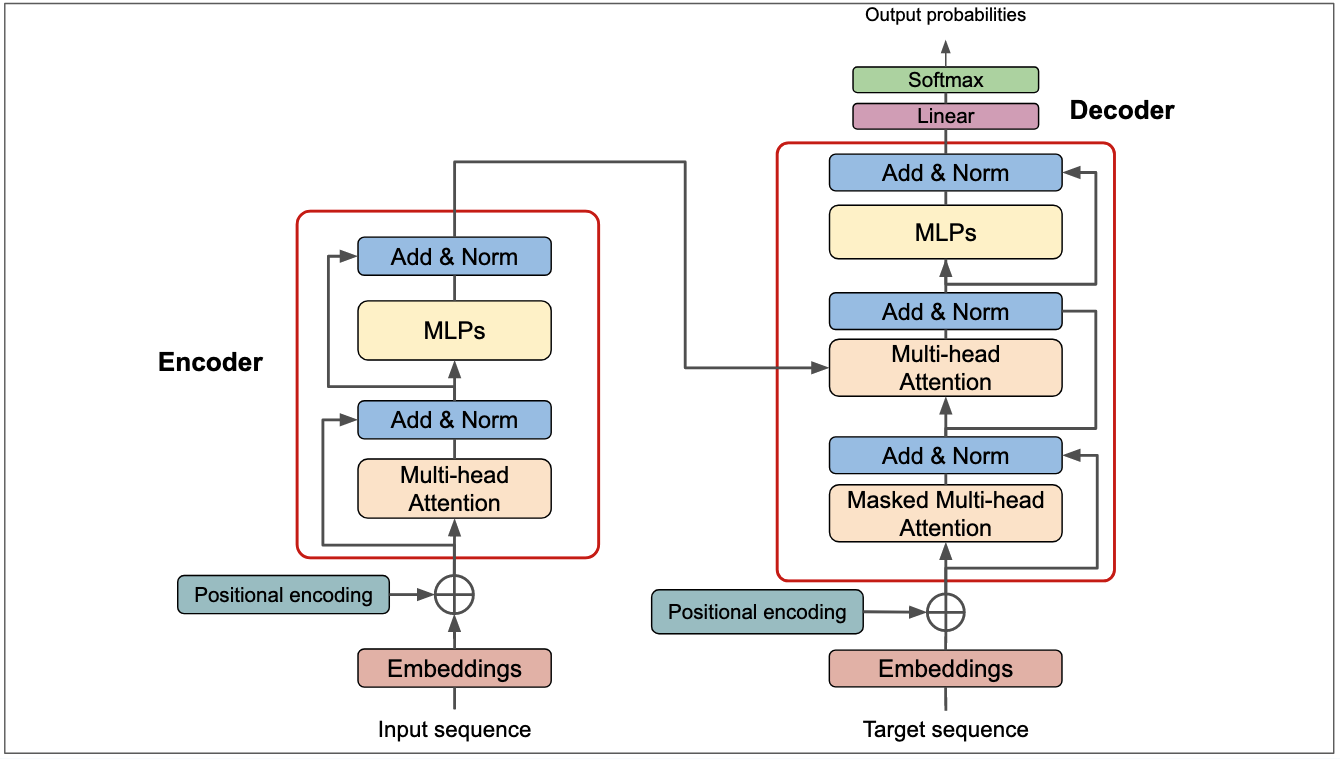
- Built an end-to-end Python ETL pipeline to ingest, clean, and synchronise multi-source CAN-bus sensor data (1 Hz–500 Hz, 41 channels)
- Applied Binary Segmentation (BinSeg, L²) to detect 7 operational motion phases — validated at silhouette score 0.675 and Rand Index >0.9998
- Computed phase-level KPIs (energy, power, distance, speed) and trained a PyTorch Multi-Task DNN with physics-informed loss — R² = 0.969 / 0.920 / 0.839 across acceleration, deceleration, and constant-speed phases
- Developed a Hybrid CNN–LSTM for post-run energy estimation (R² = 0.986 / 0.983 / 0.912, 78 test trips) and a GMM safety classifier (BIC/AIC validated) to flag unsafe driving segments
Outcome
Demonstrated that consistent preprocessing of heterogeneous sensor streams is critical for accurate energy modeling — providing a validated framework for future predictive systems in material-handling applications.
PythonPyTorchETLBinSegCNN–LSTMGMMTime-SeriesCAN-bus